


Controls, Monitoring and Optimization Systems
A complete range of solutions for controlling and optimizing your HVAC plant operation, together with specialized service and preventive maintenance softwares.
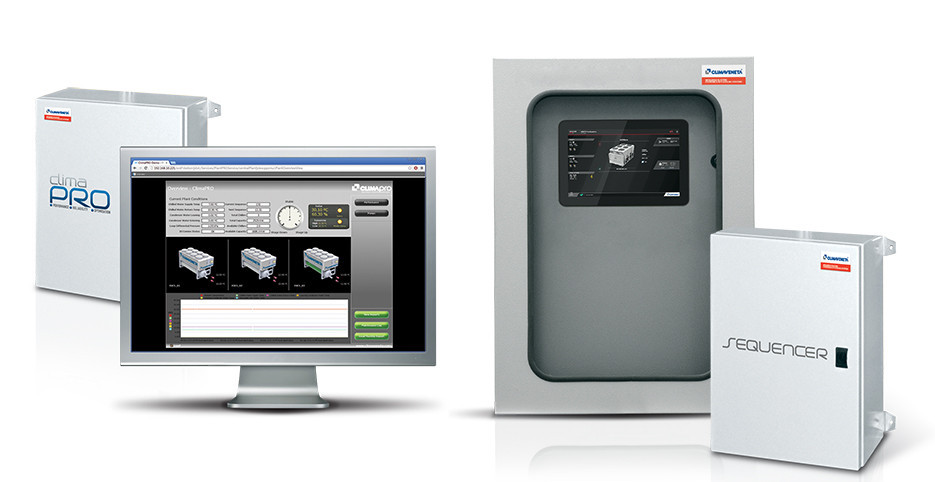
In commercial buildings, HVAC systems make up almost half of the total energy consumption and over 30% of that energy consumption comes from the plant room. HVAC equipment needs a control system to regulate its operation. Constant monitoring is needed to compare the actual state (for example temperature) with a target state. Thus, the control system can intervene and take action to resolve potential issues.
When designing HVAC systems, engineers try their best to make it as simple and compact while still being able to perform at the highest level and as efficient as possible. Stringent energy standards for modern buildings have increased the complexity of HVAC plant design and our frenetic lifestyle also means we can’t also be present to physically check equipment. That is why the need for remotely commanded and real-time control of HVAC systems is crucial. The ability to change setpoints and set schedules, analyse performance data for preventative maintenance, and set custom notifications to immediately alert crucial staff of any temperature or system issues.
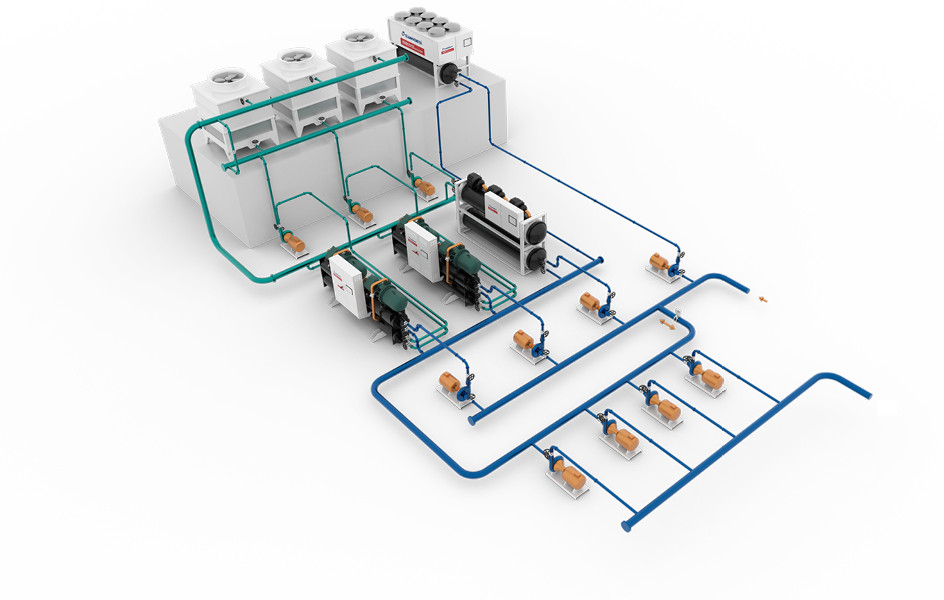
ClimaPRO+. The customized solution for complex central HVAC plant optimization
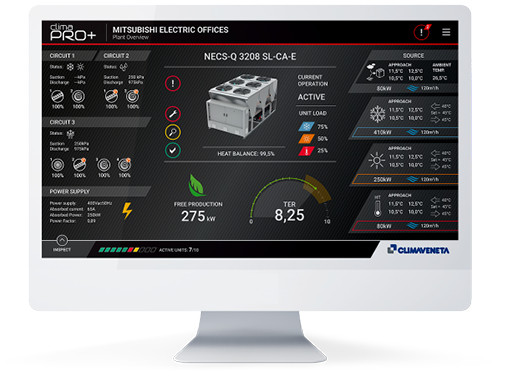
The new ClimaPRO+ is the innovative solution for optimizing any centralized plant room for Comfort, Process, and IT Cooling applications.
Thanks to simplified accessibility to plant metrics and operating parameters, ClimaPRO+ monitors current unit operation, in real time, translating the data into clear and easy to-read reports, predicting operational problems which may occur in the plant room. ClimaPRO+ reliably controls the plant room preventing any downtime thus always making any mission-critical business applications available. This makes ClimaPRO+ the perfect solution for process applications and data centers, where cooling must be ensured 24/7. With extreme precision, the software adjusts any type of source on both the primary and secondary circuits, thus ensuring energy savings up to 40% higher than those of manually controlled plants.
The smart control system allows units featuring non-homogeneous technologies to synergistically work together, exploting the technology of each product at its peak performance, according to the actual plant demand.
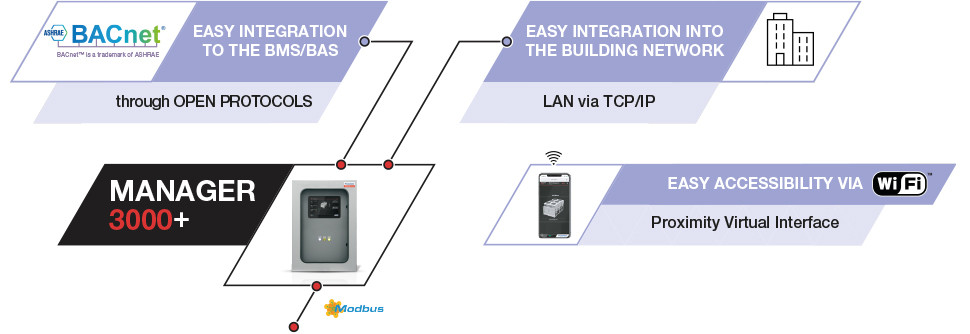
MANAGER3000+
Factory-engineered plant room control for chillers, heat pumps, units for simultaneous and independent production of hot and chilled water.
MANAGER 3000+ is the ideal solution to efficiently control and manage hydronic groups of chillers on a centralized plant room. Thanks to unique control algorithms, MANAGER3000+ selects the best sequencing for unit operation, smartly manages heat loads according to the plant demand and gives users a valid monitoring tool to check the plant conditions.
This ensures stable and reliable control in any condition, complying with the strictest standards of ‘uptime’ required in comfort and process cooling applications.
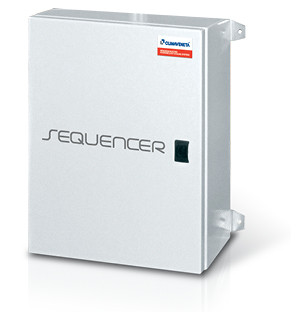
SEQUENCER
Specially designed for its use in Comfort and Process applications, SEQUENCER monitors the sequence of hydronic units in the HVAC system by ensuring the activation of units based on load requests received from the system. Its software ensures the equal distribution of the hours of operation of the resources, or activate a priority sequence according to the type of unit or the need of producing domestic hot water.
DATA CENTER MANAGER
DATA CENTER MANAGER is a centralized management and control system specifically designed for data center applications.
Through advanced logics specifically developed for Mitsubishi Electric units, the software manages the operation of the indoor chilled water CRAC units with the outdoor chillers.
The indoor units regulation is demanded to the Master unit that uses a smart algorithm named ADS (Adaptive Set Point) to instantaneously detect the real heat loads inside the data center and transfers such info to the external group of chillers, thus optimizing their functioning and resources to provide maximum global efficiency.
The results range around up to a 70% efficiency improvement to the air conditioning system, whilst significantly decreasing the data center’s global PUE value (Power Usage Effectiveness).